A Complete Guide to Dehydrated Vegetable Powders
Have you ever gone to grab an onion or tomato, only to find a soft, spoiling mess at the bottom of your fridge? It's a common kitchen annoyance. But there's a simple fix that most home cooks only discover by accident: dehydrated vegetable powders.
Think about the four ingredients you reach for almost every single day—tomato, onion, garlic, and ginger. Imagine having them concentrated into shelf-stable powders. No peeling, no chopping, and no crying over onions. They sit in your pantry, stay fresh for months, and turn into a rich gravy base in seconds. Here is a straightforward guide to how these powders work, how they are made, and how to start cooking with them.
What exactly are these powders?
Simply put, it is just fresh produce with the water taken out. Once the vegetable is dry, it gets ground into a fine powder. Removing the water does something amazing: it concentrates all the natural sugars, tang, color, and savory flavor into a tiny, lightweight jar. A single spoon of tomato powder gives you the exact same body and acidity as a fresh tomato. A pinch of onion powder gives you that rich, savory depth without needing to spend twenty minutes browning onions.
But here is the catch: you need to look at the ingredients. A good vegetable powder should list only one thing: the vegetable itself. No colors, no preservatives, and no starch. If you see ingredients like maltodextrin or salt on the label, you're paying for a diluted product.
How are they made?
It starts with ripe, fresh vegetables. They are washed, sorted, and dried slowly. The drying method is key here: it has to be done at a gentle, low temperature (either using controlled dryers or sun-drying). This removes the water without cooking or burning the vegetable. Once dry, the pieces are ground down into a fine, smooth powder and packed.
Why does the drying temperature matter so much? If the heat is too high, it destroys the natural color, aroma, and nutrients. It scorches the sugars, leaving you with a dull-colored, tasteless powder. Gentle heat keeps all the good stuff intact.
India is actually one of the world leaders in this process. For example, garlic and onions grown in Madhya Pradesh are dehydrated in Mahuva, Gujarat—which is the major hub for dehydration. Meanwhile, tomatoes from Nashik and Kolar are dried at peak ripeness to preserve their bright red color.
Why they belong in your kitchen
Here is why these jars are worth keeping on your spice rack:
- No more waste: You don't have to throw away soft, moldy onions or wrinkly tomatoes at the end of the week. You use exactly what you need, and nothing goes to waste.
- They last for months: Sealed in a dry pantry, they stay fresh for a long time. No fridge space needed.
- Zero prep work: Skip the chopping boards, sticky fingers, and crying over onions. You just scoop it right out of the jar.
- Consistent flavor: Fresh vegetables taste different depending on the season and how ripe they are. Powders give you the exact same taste every single time.
- They save time: You don't have to wait for onions to brown or tomatoes to cook down. The powder blends right in and builds a quick gravy base.
- Great for small spaces: A few small, lightweight jars can replace bags of fresh produce, saving a ton of space in your kitchen.
The big four to start with
You can find all kinds of dried vegetable powders, but these are the four you will use the most:
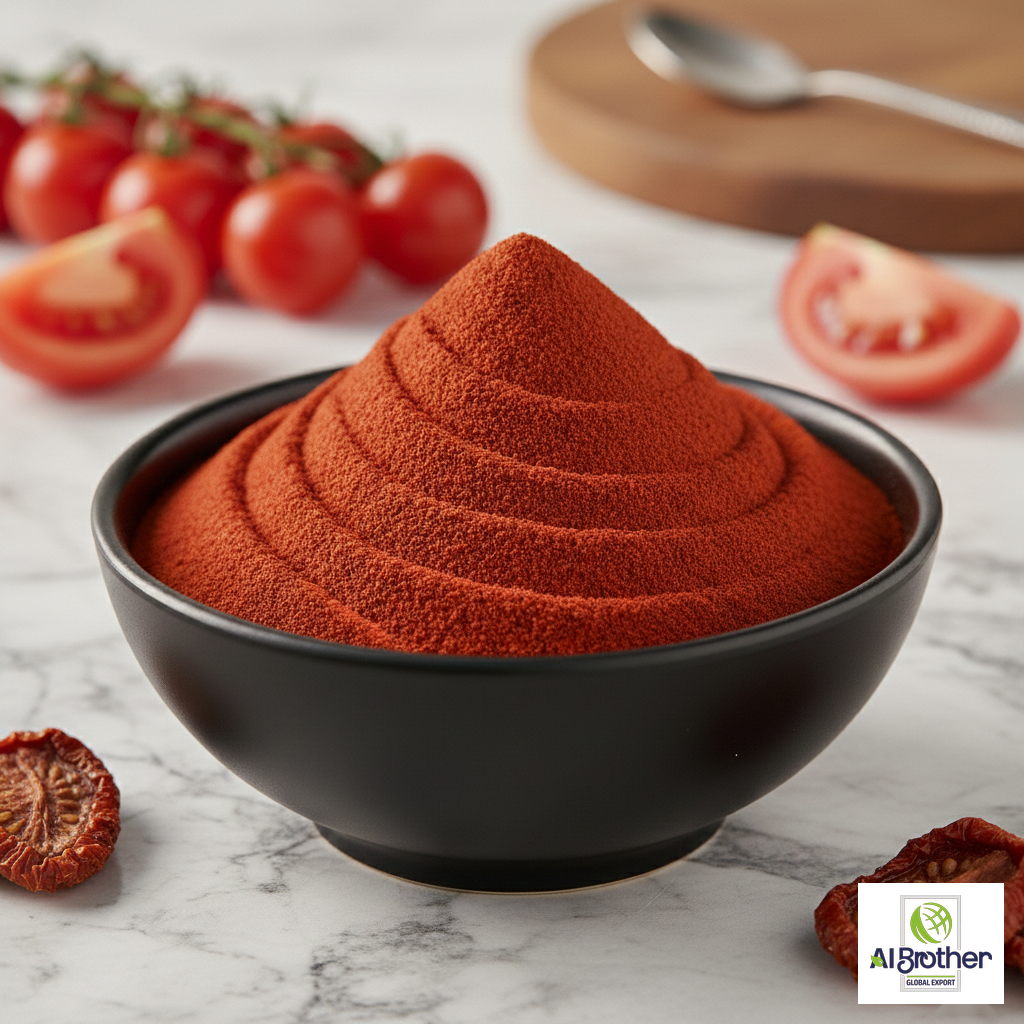
- Tomato Powder: A tangy, red powder made from ripe tomatoes. It is perfect for making instant curries, pasta sauces, soups, and custom spice blends.
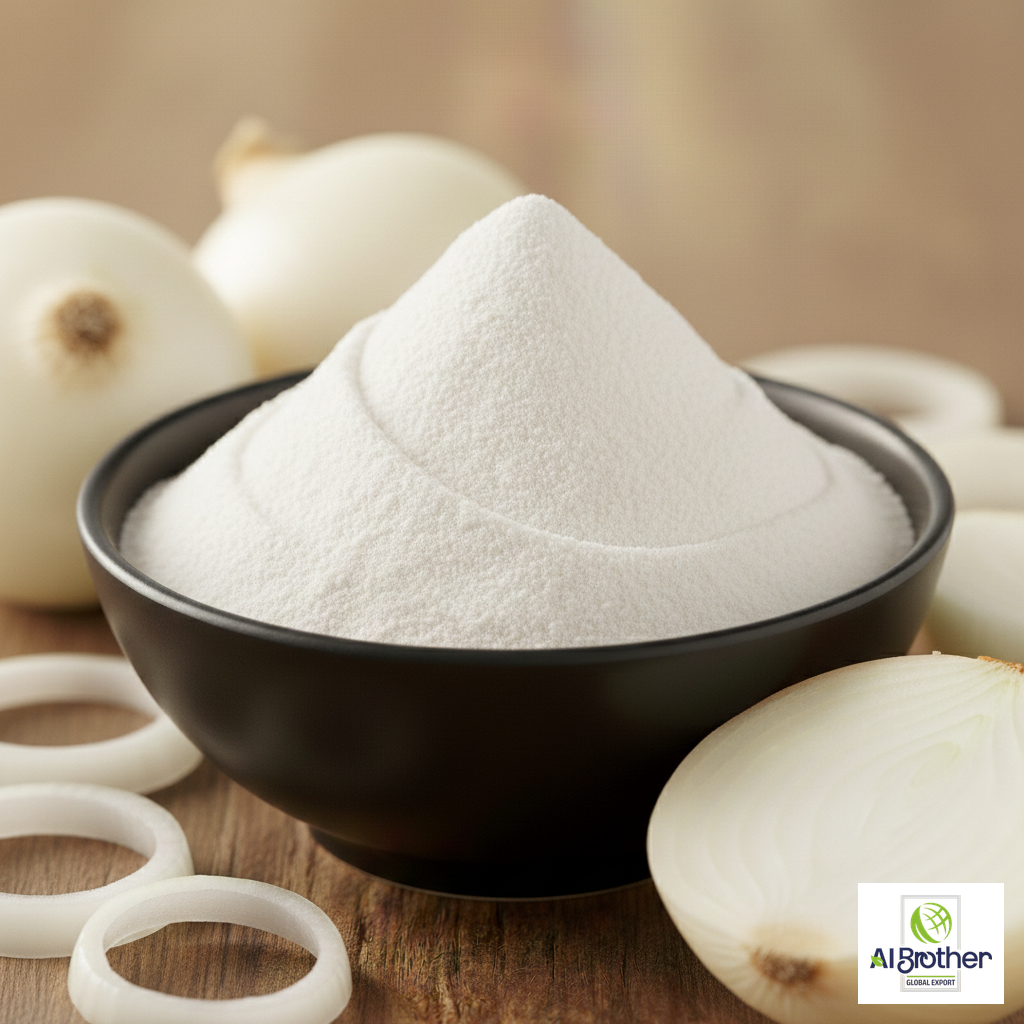
- White Onion Powder: Made from sweet white onions. It adds a clean, savory base to gravies, marinades, and dips without making them watery.
- Garlic Powder: This is made from dried garlic cloves. The drying process actually softens the raw, sharp bite of garlic, giving it a warmer, rounder flavor that is excellent in dry rubs and marinades.
- Ginger Powder (Saunth): Ground from dried ginger root. It is warmer and much stronger than fresh ginger, making it perfect for masala chai, baking, and dry spice mixes.
How do you actually cook with them?
There are two basic ways to use these powders, and both are very easy:
1. Use them dry
You can sprinkle them directly onto food. This gives you a nice, even flavor without making the food wet.
- Dust tomato or garlic powder over popcorn, fries, roasted makhana, or chaat.
- Mix them into dry rubs for paneer, meats, or vegetables.
- Stir them into flour for breading or batters.
2. Rehydrate them
For liquid dishes like curries and soups, mix the powder with a little warm (not boiling) water first. This keeps it from clumping and helps the flavor open up.
Quick conversion rules:
- Tomato: 1 tablespoon tomato powder + 1/4 cup warm water replaces 1 medium tomato.
- Garlic: 1/4 teaspoon garlic powder replaces 1 fresh garlic clove.
- Ginger: 1/4 teaspoon ginger powder replaces 1 tablespoon of grated fresh ginger.
A quick tip: These powders are very strong, so start small. You can always add a bit more, but you can't take it out once it's in there!
How we make them at AI Brothers Global Export
We believe that the best ingredients are simple. Our vegetable powders are 100% natural. That means we dry the vegetable, grind it, and put it in a jar. That’s it.
- No added colors: The bright red of our tomato powder and the earthy color of our ginger are completely natural.
- No fillers: We don’t dilute our powders with maltodextrin, starches, or salt.
- No chemical additives: There are no anti-caking agents or preservatives inside.
- Certified quality: We test every batch and provide a Certificate of Analysis (COA) so you know exactly what you are getting.
Try keeping a few jars next to your stove. They will save you time, cut down on kitchen waste, and give you honest, rich flavor every single time. Take a look at our full product range to find the right ingredients for your home kitchen or food business.